
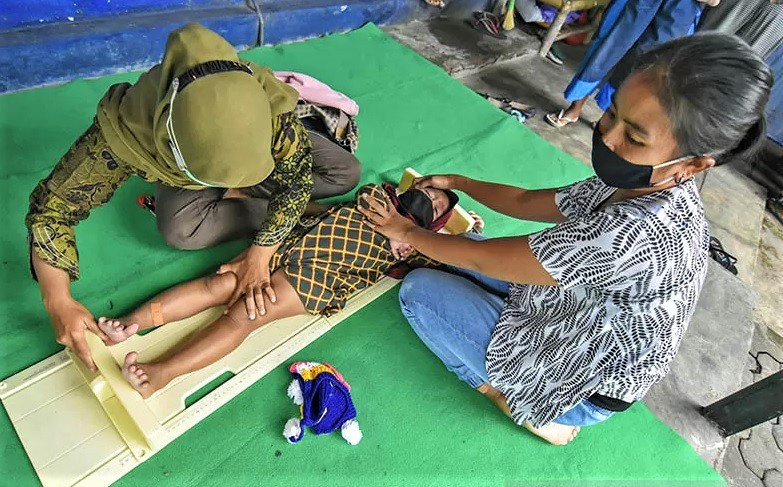
Children who don’t receive enough food and nutrients face serious challenges in growth and development. This condition, also known as stunting, hinders them from reaching their full physical and mental potentials.
What causes this issue, and how can we make a difference? Let’s explore the answers together.
Malnutrition encompasses deficiencies, excesses, or imbalances in an individual’s intake of energy and nutrients, and it falls into three main categories:
- Undernutrition : includes wasting (low weight-for-height), underweight (low weight-for-age), and stunting (low height-for-age)
- Micronutrient-related malnutrition: covers both deficiencies and excesses of essential vitamins and minerals
- Overweight, obesity, and diet-related noncommunicable diseases: including heart disease, stroke, diabetes, and certain cancers

Globally, the number of countries with very high stunting rates has dropped by 40% since 2012, from 46 to 28 countries.
Over 50% of countries worldwide continue to experience high to very high rates of stunting, particularly in regions such as Africa and Asia, with Indonesia also being affected.

The UN Decade of Action on Nutrition
Led by the World Health Organization (WHO) and the Food and Agriculture Organization of the United Nations (FAO), the UN Decade of Action on Nutrition advocates for policy actions across six key areas:
- Developing sustainable and resilient food systems to support healthy diets.
- Providing social protection and nutrition-related education for everyone.
- Aligning health systems with nutrition needs and ensuring universal coverage for essential nutrition interventions.
- Ensuring that trade and investment policies enhance nutrition.
- Creating safe and supportive environments for nutrition across all age groups.
- Strengthening and promoting nutrition governance and accountability at all levels.
Ethiopia’s Success in Fighting Stunting
Located in one of the countries in East Africa, Ethiopia often faced by severe droughts, food shortages, and hunger, that has made steady progress in combating child malnutrition. Since 2000, Ethiopia’s stunting rate has decreased by 33%, and since 1990, it has dropped by 47%. This translates to over 1.3 million fewer children suffering from stunting compared to 2000. Remarkably, no other country in Africa has saved more children from the detrimental effects of chronic malnutrition.
Ethiopia’s progress in reducing child malnutrition is noteworthy, especially in the context of being the 18th poorest country globally and grappling with recurring droughts. Several key strategies have contributed to this success, including:
- Government Commitment: A strong political will and robust national policies implementation to end child undernutrition (e.g., National Food and Nutrition Policy)
- Increased Funding: Injecting more financial support for nutrition programs.
- Community Engagement: Local governments actively investing in nutrition initiatives.
- Targeted Programs: Effective interventions like breastfeeding promotion and micronutrient supplementation.
- Support from NGOs: Collaboration with organizations like ‘Save the Children’ to improve child nutrition.
“Stunting and malnutrition have consequences beyond the child who is affected. When it affects many children, the whole country suffers. When our children are stunted, the whole nation is stunted.” – Paul Kagame (President of Rwanda)